
Diamond knowledge · 3 MIN READ
Diamond fluorescence: what to look for beyond the report
Fluorescence is a diamond’s response to ultraviolet light. It is a characteristic to understand, not an automatic reason to accept or reject a stone. A useful decision combines the report with how that particular diamond looks in the lighting where you will wear it.
Published September 23, 2026
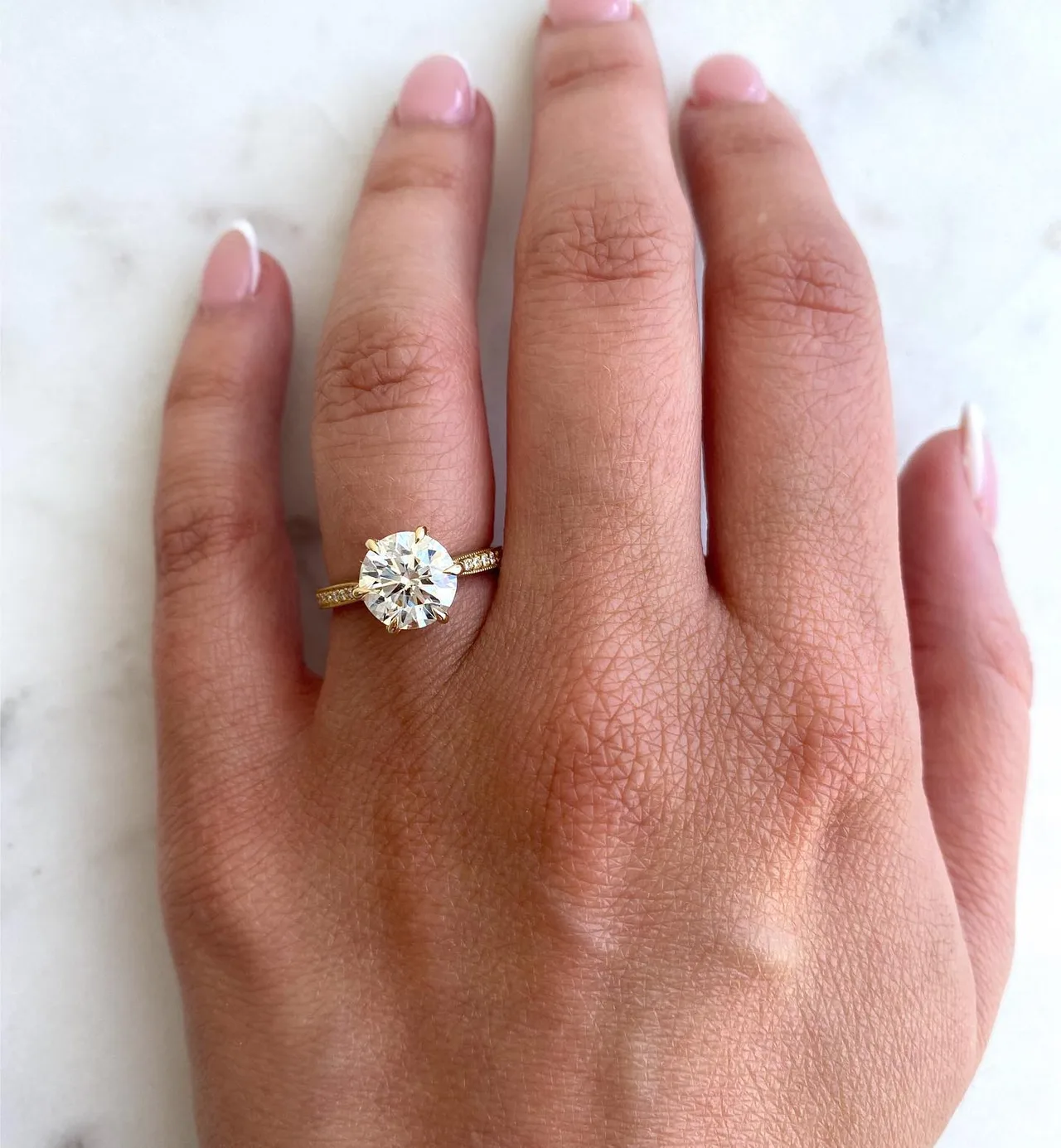
What fluorescence actually describes
Some diamonds emit visible light when exposed to ultraviolet radiation. Blue is the most common fluorescence color, although other colors occur. Fluorescence is separate from the flashes and brightness you see as a diamond moves in normal light.
On applicable GIA reports, fluorescence strength is described as None, Faint, Medium, Strong or Very Strong. That label records a response under test conditions; it is not a substitute for judging the diamond’s overall appearance.
Does it make a diamond cloudy?
Not automatically. GIA’s research finds that fluorescence alone does not cause haziness, though it can accentuate pre-existing light scattering in unusual cases. Most diamonds do not show an obvious appearance change attributable to fluorescence.
The sensible next step is inspection, not a blanket rule. Ask the jeweler to show you the stone clean, away from an ultraviolet demonstration lamp, and explain any visible haze rather than assigning its cause from a report label alone.
Compare ordinary lighting first
Look at the diamond under diffuse daylight, the shop’s normal indoor lighting and lighting similar to your home. Compare stones side by side, keeping the setting and background as consistent as possible. Move each stone slowly and look from more than one angle.
Consider a short written observation for each: does it appear lively, clear and attractive to you? A dramatic ultraviolet display can be interesting, but it should not become the entire buying experience. You are choosing jewelry to wear outside that demonstration.
Keep the rest of the diamond in view
A fluorescence label cannot replace an assessment of cut, color, clarity or the suitability of the setting. If two stones appeal to you, compare their full descriptions rather than treating one report line as the deciding score.
Photographs and phone screens introduce another layer of uncertainty. If shopping remotely, ask for comparable videos and clear purchase terms. Do not infer fluorescence strength from the blue reflections in an ordinary jewelry photograph.
Questions worth bringing to your appointment
Ask: What does this report say about fluorescence? Can we view the stone in different lighting? Is any haze visible when the stone is clean? What other characteristics explain the difference between these two diamonds?
At a Seattle jewelry appointment, a clear explanation should leave you comfortable describing why you prefer one stone. Choose the whole diamond and the whole piece, with fluorescence understood in context.