
Diamonds · 3 MIN READ
The diamond four Cs, explained for your appointment
The four Cs describe diamond quality: cut, color, clarity and carat weight. Use them as a shared vocabulary for comparing stones, then check how each diamond actually looks to you. A specification sheet cannot make the personal choice on your behalf.
Published September 23, 2026
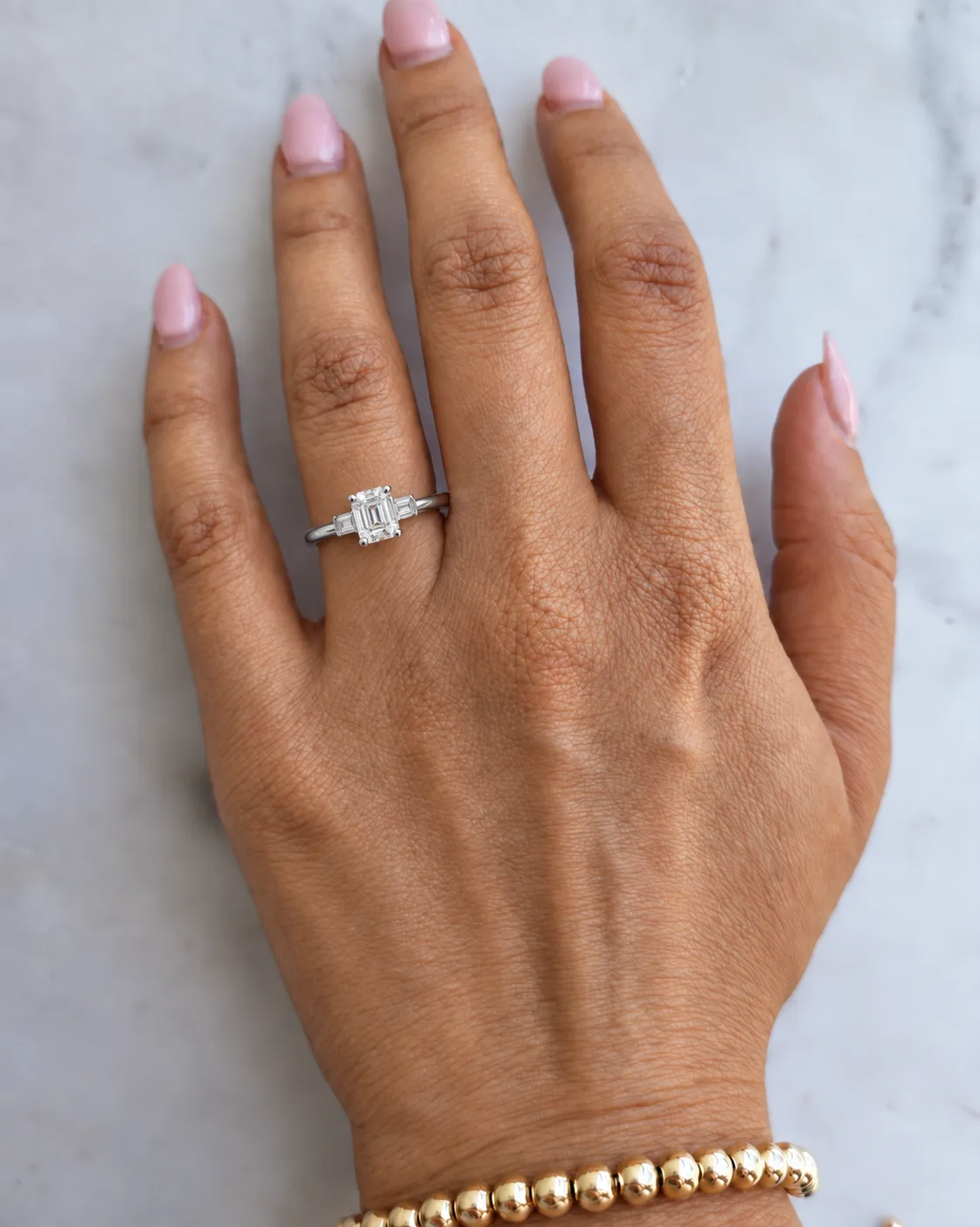
Know what each term describes
Cut concerns how a diamond’s proportions and craftsmanship affect its interaction with light; it is different from shape. Color grading for diamonds in GIA’s standard D-to-Z range describes the absence of color. Fancy-color diamonds are considered differently. Clarity describes internal inclusions and external blemishes. Carat is a measure of weight, not a measurement of the outline you see from above.
Those definitions answer different questions. If your concern is how a ring looks on your hand, ask about dimensions as well as weight. If you are responding to sparkle, discuss light performance rather than using “cut” to mean an oval or pear outline.
Make the comparison manageable
Ask to compare a small group with a common shape and similar overall appearance. Looking at many unrelated stones at once can make it difficult to remember why one appealed to you. Write down your first impression before moving into the paperwork.
Consider each stone at a comfortable viewing distance, then ask to see details more closely. Look in comparable lighting so that the display itself is not the main difference. If you notice a patch of darkness, a tint or a particular pattern of flashes, ask the jeweler to explain what you are seeing rather than guessing from a grade.
Use the report to ask better questions
Ask the jeweler to connect the document to the actual stone and explain its scope. A grading report describes characteristics; it is not a personal recommendation that a diamond is right for your ring. Find out which features are recorded and which decisions still require viewing the stone.
GIA’s overall cut grade for standard round brilliant diamonds in the D-to-Z color range should not be assumed to apply in the same way to every fancy shape. If you are comparing ovals, pears or emerald cuts, ask how those particular stones are being evaluated instead of searching for a directly equivalent overall grade.
Decide what you want to notice every day
Imagine looking down at the finished ring rather than reading its specifications. Which stone draws you back? Is it the outline, the play of light or the way it sits within the setting? Describe that response in plain language. It gives the jeweler useful information and helps keep the comparison connected to the reason you are choosing jewelry.
Before making a final selection, record the stone’s identity, the documentation provided and the setting it will go into. You do not have to become a gemologist. You do need enough clarity to understand the choice and explain what you love about it.